-
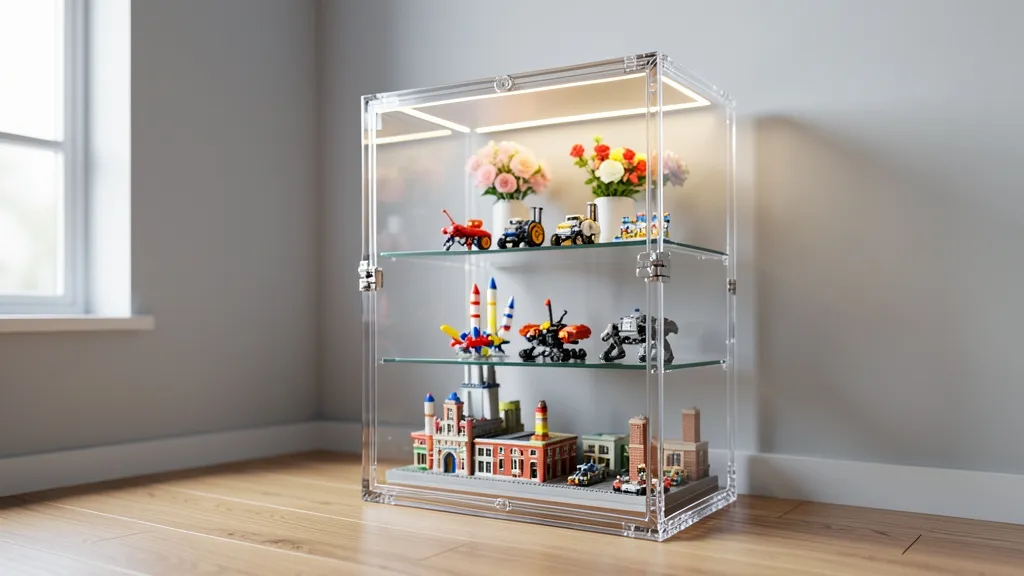
Unlock Your Collection's True Potential: 7 Essential Steps to Perfectly Display Your LEGO 42171, 75367, and 76269
2026-11-27 12:12:11 -

What's 5G, and how does it compare to LTE?
2022-07-27 17:39:49 -

The Ultimate Guide to Ergonomic Office Furniture
2022-07-28 11:46:22 -

Can I buy the same stock twice in a day?
2022-07-28 14:23:54 -

Is SG better than HK?
2022-07-28 14:49:26 -

Is IIT Delhi better than MIT?
2022-07-28 15:11:32 -

What exactly is SEO? Why do SEO, how do SEO, and how does a website rank in search engines?
2022-07-28 15:38:01 -

There are three main characteristics and ten qualities that are essential for the best business people!
2022-07-28 15:43:38

The Ultimate Guide to Choosing Your NRL Football Display Case
- Jodie
- Nov 26,2026
- 0 view
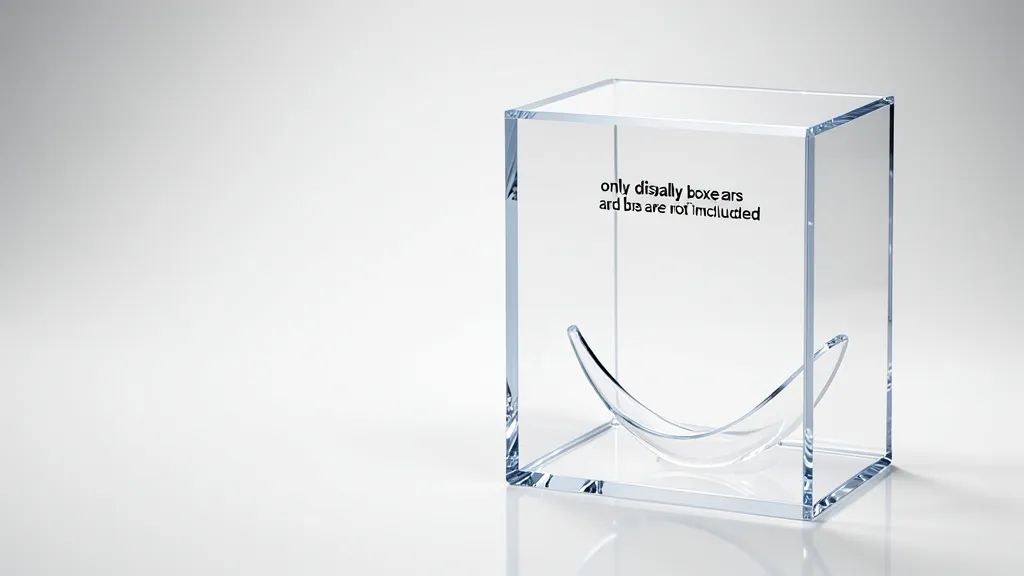
For anyone who has ever held a match-worn jersey, a signed Steeden ball, or a premiership commemorative piece, the urge to keep it safe is immediate. NRL memorabilia is more than merchandise; it is a physical connection to the moments that define a season — the last-minute field goal, the grand final try, the captain's final lap. But dust, sunlight, humidity, and the occasional clumsy housemate are relentless enemies. A quality display case is not simply a shelf ornament; it is a preservation tool, a statement of pride, and in many cases a genuine investment. With signed NRL collectibles increasingly fetching hundreds or even thousands of dollars at auction — and with collectibles markets in Hong Kong and Australia recording steady growth in sports memorabilia sales each year — protecting your pieces properly has never mattered more. This guide walks through the practical decisions: the types of cases available, the features worth paying for, the realistic budget bands, and where to buy with confidence.
Why a Display Case Is Essential for NRL Memorabilia
The threats to sports collectibles are cumulative and often invisible until damage is done. Ultraviolet light breaks down inks and dyes, causing signatures to fade from crisp black to a ghostly grey within a few short seasons. Airborne dust settles into fabric weaves and ball dimples, and repeated wiping eventually abrades the surface. Humidity swings warp leather and encourage mould in the stitching of jerseys. And then there is the human factor: an uncovered ball on a shelf is an invitation for curious hands.
A proper enclosure solves all of these at once. It creates a micro-environment that limits dust ingress, blocks a defined percentage of UV radiation, and physically separates the object from casual contact. For signed items, the case also signals value — visitors treat a cased ball very differently from one sitting loose on a bookshelf. Collectors in Hong Kong's active memorabilia community frequently note that provenance and condition drive resale value; a faded signature can halve an item's worth, which means the cost of a good case is often recovered the moment you decide to sell.
There is also the display dimension. An NRL collection is meant to be seen. The right case elevates a piece from clutter to centrepiece, turning a corner of a lounge room or study into a small shrine to the game. Whether you are housing a single grand final ball or an entire wall of jerseys, the enclosure should flatter the object as much as protect it.
Types of Display Cases
Wall-Mounted vs. Freestanding
Wall-mounted cases are the workhorse of memorabilia display. Fixed to studs or masonry with appropriate anchors, they free up floor space and put the item at eye level, which is exactly where it should be for both viewing and photography. For jerseys and framed prints, wall mounting is essentially the default. For balls, a wall-mounted unit with a shelf or cradle works well in narrow rooms. The trade-off is installation effort: you need the right drill, the right anchors, and a level. A poorly mounted case holding a heavy framed jersey is a genuine safety hazard, so if DIY is not your strength, budget for professional installation.
Freestanding cases — pedestal units, tabletop cubes, and floor cabinets — offer flexibility. They can be moved between rooms, repositioned when furniture changes, and placed on a desk or sideboard without drilling a single hole. Tabletop acrylic cubes are especially popular for single balls and small signed items. The downside is footprint and stability: freestanding units can be knocked, and tall cabinets should be anchored to the wall regardless. Many collectors use a hybrid approach — freestanding cubes for rotating centrepieces and wall-mounted units for permanent fixtures.
Acrylic vs. Glass: Pros and Cons of Each Material
Acrylic (polymethyl methacrylate) has become the dominant material for sports display cases, and for good reason. It is lightweight, roughly half the weight of glass for the same thickness, which makes wall mounting and handling far easier. It resists shattering; a knocked acrylic cube may scratch but will not explode into shards. It is also easier to machine into complex shapes and to integrate into products such as the 10294 display case, a popular format for compact ball displays that combines a clear acrylic body with a solid base. Acrylic's weaknesses are scratch susceptibility and a tendency to develop a static charge that attracts dust to the outside surface.
Glass offers superior optical clarity and scratch resistance, and it does not yellow over time the way lower-grade acrylic can. For high-end framed jerseys and heirloom pieces, glass with an anti-reflective coating delivers a museum-grade look. The costs are weight, fragility, and price — glass cases are typically heavier, more expensive to ship, and require more careful handling. A sensible rule of thumb: acrylic for balls and everyday pieces, glass for framed jerseys and statement items where visual quality is paramount.
| Factor | Acrylic | Glass |
|---|---|---|
| Weight | Low | High |
| Impact resistance | Excellent | Poor |
| Scratch resistance | Moderate | Excellent |
| Optical clarity | Very good | Excellent |
| Cost | Lower | Higher |
| Best for | Balls, cubes, wall units | Framed jerseys, premium pieces |
UV Protection Features: Preserving Signatures and Ball Colour
UV protection is the single most important specification most buyers overlook. Sunlight and even prolonged indoor fluorescent exposure degrade pigments. A black marker signature can fade to brown then to nothing; a white ball can yellow; a red jersey can shift toward pink. Look for cases that explicitly state a UV-blocking rating — 98% UV filtration is a common benchmark for good acrylic, while higher-grade glass can reach 99%. Remember that UV protection is not the same as full light blocking: a UV-filtering case still lets visible light through, which is what you want for display, but it should be kept out of direct sun.
Practical placement matters as much as the material. Even a UV-rated case sitting in a west-facing window will experience heat build-up, and heat is another enemy of leather and adhesives. Position displays away from direct sun, radiators, and air-conditioning vents. If you own a signed ball with a fading-prone silver or metallic marker signature, consider a case with a tinted panel and rotate the item out of display periodically.
Sizes and Shapes: Single Balls, Multiple Items, or Jerseys
Case geometry should follow the collection. Single-ball cases are typically cubes or upright cylinders, sized to leave a small breathing gap around the ball so it does not appear crammed. Multi-item cases use tiered shelves or divided compartments and suit collectors with a set of signed balls, a boot, and a mini helmet. Jersey cases are large, shallow frames — often with a hanger bar, an internal backing board, and a hinged or sliding front panel — that allow the shirt to be mounted flat and fully visible.
For collectors building a mixed display, modular systems are worth considering. A larger unit such as the 10335 display case offers generous internal dimensions suited to multiple balls or a combination of a ball and a folded jersey, and its modular design lets you expand as the collection grows. Measure twice before buying: internal dimensions matter far more than external ones, and you should allow at least 2–3 cm of clearance on every side of the object.
Key Features to Look For
Durability and Stability
A case is a long-term purchase, so build quality deserves scrutiny. Check the thickness of acrylic panels — 3 mm is the practical minimum for small cubes, while 5 mm or more is appropriate for larger units. Joints should be bonded cleanly with solvent cement rather than relying on visible screws. Bases should be weighted or broad enough to resist tipping, and wall-mounted units must ship with proper mounting hardware and clear load ratings. Stainless steel or powder-coated aluminium frames resist corrosion, which matters in humid climates such as Hong Kong, where seasonal humidity can exceed 80%.
Security
If your collection includes high-value signed items, a lock is not paranoia. Look for cam locks or keyed latches on larger cabinets, and tamper-resistant fixings for wall units. For tabletop cubes, a lockable base plate or a case that bolts to the surface provides meaningful deterrence. Security also means the case should not be easy to open accidentally — a friction-fit lid on a heavy ball cube is a disaster waiting to happen.
Clarity and Aesthetics
Optical clarity determines whether the case disappears and lets the object speak. Look for low-iron glass or high-clarity acrylic, and avoid cases with visible mould seams across the front panel. Aesthetics extend to the base and frame: black acrylic, brushed metal, and timber veneer bases all read differently in a room, and the case should match the surrounding decor rather than fight it.
Ease of Assembly and Maintenance
Good cases assemble with simple tools and clear instructions. Maintenance should be limited to wiping with a microfibre cloth and a mild acrylic cleaner — never abrasive or ammonia-based products, which can craze acrylic. Avoid paper towels, which micro-scratch. For glass, a standard glass cleaner is fine. Check annually that mounting fixings remain tight.
Budget Considerations
Prices vary widely by size, material, and finish. The following bands reflect typical retail expectations for quality consumer-grade products.
- Entry level (under HK$400): small acrylic cubes for a single ball; adequate for unsigned or low-value items.
- Mid range (HK$400–1,200): UV-rated acrylic cases, lockable tabletop units, and basic wall-mounted ball displays.
- Premium (HK$1,200–3,500): large jersey frames with UV glass, modular multi-item systems, and custom-cut acrylic.
- Custom and museum grade (HK$3,500+): bespoke cabinetry, archival-grade materials, and climate considerations.
Factor in shipping and installation, particularly for glass. And remember that a modest case protecting a valuable signature is money well spent; the reverse — an expensive item in a cheap, unsealed box — is a false economy.
Where to Buy
Online retailers offer the widest range and the most transparent pricing, with detailed dimension drawings that let you verify fit before ordering. Specialty sports memorabilia stores bring expertise: staff who understand jersey sizing and can advise on UV ratings and mounting. Custom makers are the right choice for irregular items or full-wall installations, though lead times are longer and costs higher. Whichever route you take, confirm the UV rating in writing, check the returns policy for shipping damage, and favour sellers who publish real product photography rather than renders.
Protecting Your Passion and Making a Statement
Choosing an NRL Football display case is ultimately an act of respect — for the game, for the players who signed your piece, and for your own investment. Get the material right, insist on UV protection, size the case generously, and place it away from sun and heat. Do that, and your collection will hold its colour, its signatures, and its value for decades, while looking precisely as good as the moments it commemorates.
Article recommended