-

What's 5G, and how does it compare to LTE?
2022-07-27 17:39:49 -

The Ultimate Guide to Ergonomic Office Furniture
2022-07-28 11:46:22 -

Can I buy the same stock twice in a day?
2022-07-28 14:23:54 -

Is SG better than HK?
2022-07-28 14:49:26 -

Is IIT Delhi better than MIT?
2022-07-28 15:11:32 -

What exactly is SEO? Why do SEO, how do SEO, and how does a website rank in search engines?
2022-07-28 15:38:01 -

There are three main characteristics and ten qualities that are essential for the best business people!
2022-07-28 15:43:38 -

Qualities that the average entrepreneur needs to have
2022-07-28 15:48:54

Choosing the Perfect Display Case: A Comprehensive Checklist for Collectors
- Joyce
- Nov 26,2026
- 0 view
Choosing the Perfect Display Case: A Comprehensive Checklist for Collectors
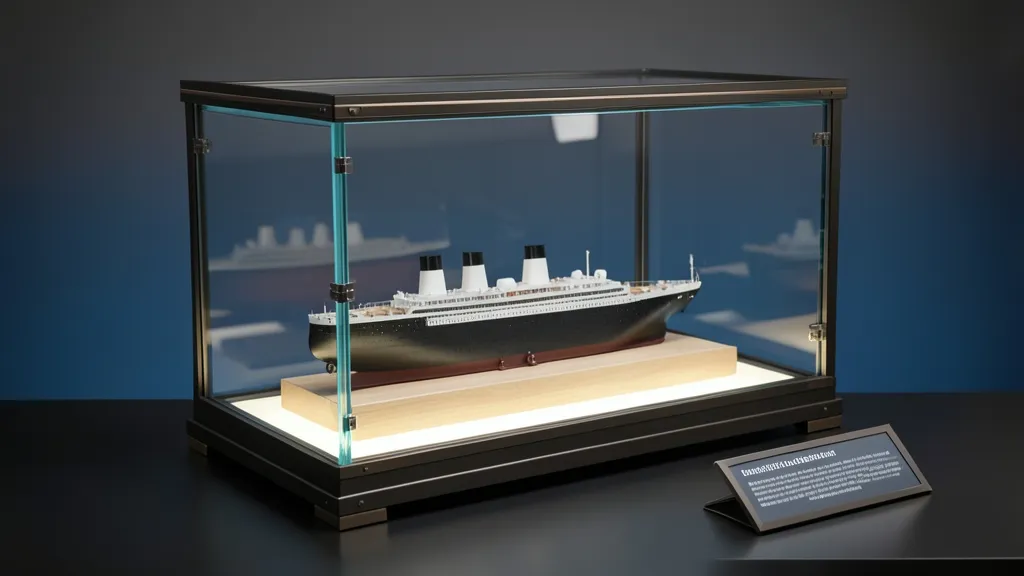
As a passionate collector, you understand that your prized possessions deserve more than just a shelf. They demand a sanctuary – a dedicated space that not only protects them from the ravages of time and dust but also elevates their presentation, transforming them from mere objects into captivating exhibits. Whether you’re meticulously curating a fleet of detailed 1:18 Car display cases, showcasing the monumental grandeur of a 10294 Titanic display case, or preserving other cherished collectibles, the choice of a display case is paramount. It’s an investment in preservation and pride.
But with countless options available, how do you ensure you’re making the right choice? This comprehensive checklist isn't just a guide; it’s your indispensable tool for navigating the complexities of display case selection, empowering you to confidently choose a solution that perfectly marries protection with unparalleled visual impact. Let's delve into the crucial factors that will safeguard your collection's legacy.
1. Size & Fit: Precision is Paramount
Before you even begin to consider materials or aesthetics, absolute precision in measurement is non-negotiable. An ill-fitting case can compromise protection and diminish the visual appeal of your collection. You must know your items intimately, from their maximum dimensions to the subtle angles that define their character.
Consider the following aspects for a perfect fit:
- Accurate Measurement: For individual pieces like your exquisite 1:18 Car display case models, measure length, width, and height with absolute accuracy. Remember to factor in any protruding parts, like antennas or spoilers, that might add crucial millimeters.
- Accommodating Large Sets: If you're housing expansive constructions such as a detailed 75398 display case or the truly magnificent 10294 Titanic display case, allow for significant buffer space. These larger sets often have unique contours or require specific angles for optimal viewing. Don't forget the base dimensions and any potential overhang.
- Future Expansion: Are you likely to add more items to your collection? A smart collector always plans ahead. Opt for a case that offers a little extra room, or consider modular display solutions that can be expanded as your collection grows. This foresight prevents costly re-purchases down the line.
- Display Orientation: Will your items be displayed horizontally or vertically? Ensure the case dimensions support your intended presentation without compromising stability or visual flow.
There's nothing more frustrating than a display case that almost fits. Take the time to measure twice, or even thrice, to ensure your chosen case truly complements your collection.
2. Material Quality: The Foundation of Protection and Clarity
The material of your display case is not merely about appearance; it's fundamental to its protective capabilities and long-term clarity. The two primary contenders, acrylic and glass, each offer distinct advantages.
Acrylic vs. Glass: A Comparative Look
-
Acrylic (Plexiglass):
- Pros: Significantly lighter and more shatter-resistant than glass, making it safer for homes with children or in earthquake-prone areas. It offers excellent optical clarity and can provide inherent UV protection, crucial for preventing color fading in delicate items.
- Cons: More susceptible to scratches and can sometimes exhibit a slight static charge, attracting dust. Requires specific cleaning methods to avoid damage.
-
Glass:
- Pros: Superior scratch resistance and generally offers a more premium, rigid feel. Less prone to static, meaning less dust attraction. Many collectors appreciate the traditional elegance of glass.
- Cons: Much heavier and fragile, posing a higher risk of breakage. Standard glass offers minimal UV protection unless specially treated, which adds to the cost.
Beyond the transparent panels, consider the base materials. A sturdy base made from high-quality wood, robust plastic, or polished metal not only provides stability but also contributes significantly to the overall aesthetic appeal of your display. Ensure the materials are non-reactive and won't leach chemicals that could harm your collectibles over time.
3. Protection Features: Shielding Your Treasures
A display case's primary role is protection. Overlooking key protective features can lead to irreversible damage to your cherished items. This isn't just about aesthetics; it's about safeguarding history and value.
- Dust Sealing Mechanisms: Dust is a collector's silent enemy, accumulating in nooks and crannies, dulling surfaces, and requiring frequent, delicate cleaning. Look for cases with tight-fitting seams, silicone seals, or interlocking panels that effectively minimize dust ingress. A well-sealed case dramatically reduces maintenance and preserves the pristine condition of your collection.
- UV Protection: Sunlight, even indirect, contains harmful ultraviolet rays that can cause colors to fade, plastics to yellow, and materials to degrade over time. Many acrylic cases offer built-in UV resistance, while glass cases may require specialized UV-filtering glass or films. For valuable or historically significant pieces, investing in robust UV protection is a non-negotiable safeguard against irreparable damage.
- Security Aspects: Depending on the value and rarity of your collection, security features can provide crucial peace of mind. Consider cases with integrated locking mechanisms – whether key-operated latches or discreet magnetic locks. While no case is entirely burglar-proof, these features deter opportunistic theft and provide an added layer of protection.
4. Aesthetic & Design: Where Form Meets Function
Your display case isn't just a container; it's an integral part of your home decor and an extension of your collecting passion. Its design should enhance, not detract from, the beauty of your items.
- Matching Your Style: The case's design should harmonize with your collection's theme and your interior decor. A sleek, minimalist acrylic case might suit modern 1:18 Car display case models, while a dark wood-based case could beautifully complement historical artifacts or larger sets like the 10294 Titanic display case.
- Integrated Lighting Options: High-quality lighting can dramatically transform how your collection is perceived. Integrated LED lighting, often subtly placed along edges or within the base, highlights details, creates depth, and draws the eye. Look for cases with adjustable brightness or color temperatures to fine-tune the ambiance. Proper lighting isn't a luxury; it's an essential element for truly showcasing your collection's intricate beauty.
- Base Customization: The base of your display case offers another opportunity for aesthetic enhancement. Mirrored bases create an illusion of depth and allow for unique viewing angles, while themed bases can complement specific collections, adding an extra layer of narrative to your display.
5. Assembly & Maintenance: Practicality for the Long Haul
Even the most stunning display case loses its appeal if it’s a nightmare to assemble or clean. Practicality and ease of maintenance are critical for a satisfying long-term ownership experience.
-
Ease of Assembly:
Many display cases arrive unassembled. Assess the complexity of assembly. Are the instructions clear? Are specialized tools required? Some designs feature interlocking panels or magnetic closures that simplify the process, while others may demand more time and technical skill. Read reviews for insights into real-world assembly experiences.
-
Cleaning Recommendations:
- For Acrylic: Use a soft microfiber cloth and a mild, non-abrasive plastic cleaner (or simply water with a touch of dish soap). Avoid ammonia-based cleaners, paper towels, or rough cloths, which can scratch the surface.
- For Glass: Standard glass cleaners are typically safe. Use a lint-free cloth or newspaper for a streak-free shine. Be cautious around any sealed edges to prevent moisture ingress.
-
Longevity and Repair Options:
A high-quality display case is an investment meant to last. Inquire about the manufacturer's warranty and the availability of replacement parts, should a panel or component be damaged. Understanding these aspects ensures your case remains a fitting home for your collection for years to come.
Conclusion: Your Collection Deserves the Best
Choosing the perfect display case is a thoughtful journey, not a hasty purchase. By systematically evaluating size and fit, material quality, protective features, aesthetic design, and ease of maintenance, you empower yourself to make a decision that will truly honor your passion.
Whether you're safeguarding the intricate details of a 1:18 Car display case, giving the majestic 10294 Titanic display case the stage it deserves, or curating a dynamic 75398 display case, the right enclosure elevates your collection from mere possessions to a captivating narrative. Invest wisely, and watch your treasured items not only remain preserved but also inspire awe for generations to come. Your collection tells a story; let your display case be its eloquent narrator.
Article recommended