-

The Unseen Advantages: Why Fanless Industrial PCs Outperform in Harsh Environments
2026-11-20 13:58:17 -

Fanless Industrial PC Windows 10 for Factory Supervisors: Supply Chain Chaos or Automation ROI — Which Breaks First?
2026-11-20 17:58:17 -

Mastering Polarized Dermoscopy: Advanced Tips for Accurate Diagnosis
2026-11-20 20:58:17 -
Industry Spotlight: The Growing Significance of 10330, 10333, and 76968 Display Cases in Modern Retail
2026-11-26 03:12:11 -
Don't Just Display It, Showcase It: Why the 21354 Display Case Changed My Collection Game
2026-11-26 06:12:11 -
The Ultimate Guide to Choosing Your NRL Football Display Case
2026-11-26 09:12:11 -
Choosing the Perfect Display Case: A Comprehensive Checklist for Collectors
2026-11-26 12:12:11 -
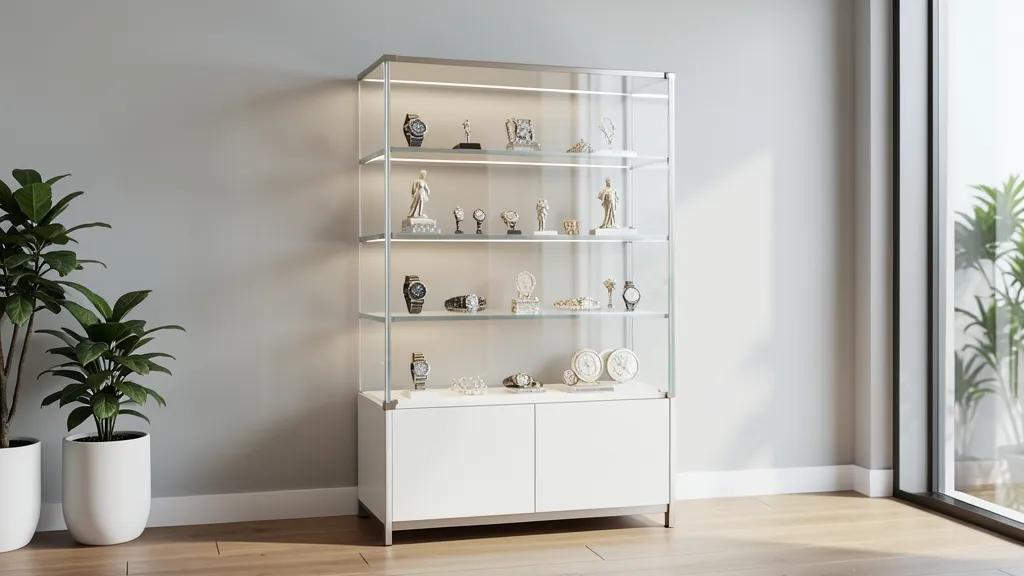
Real User Insights: An Objective Look at the 76419 vs. 42172 Display Cases
2026-11-26 15:12:11

Masterful Presentation: Creative Ways to Display Your LEGO Ferrari F2004
- SANDY
- Nov 28,2026
- 0 view
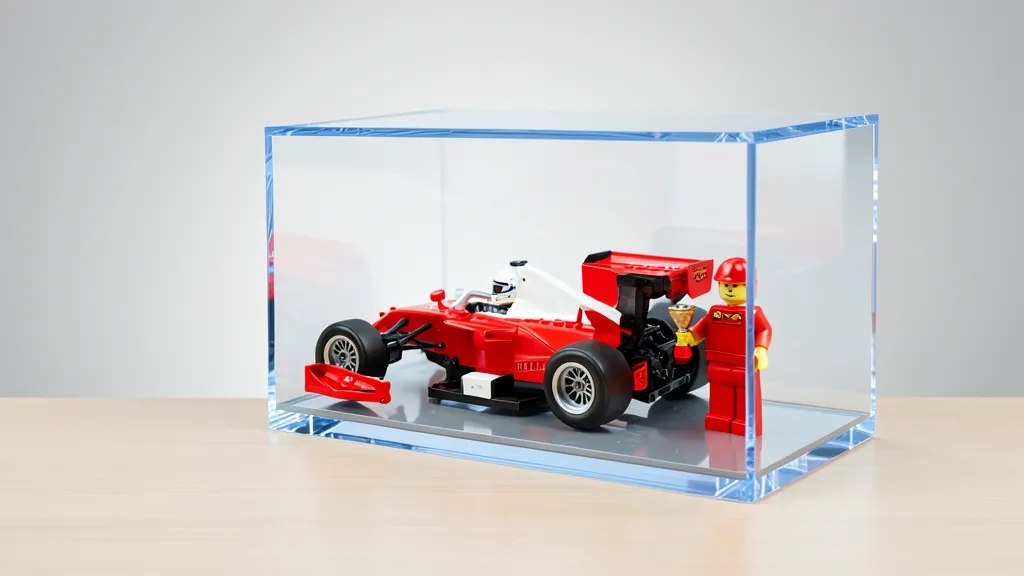
The LEGO Ferrari F2004: A Champion That Deserves More Than a Shelf
There are LEGO builds, and then there are LEGO builds. The Ferrari F2004 sits firmly in the second category. This is not a casual afternoon project you toss onto a windowsill next to a half-finished puzzle. With its sleek nose cone, intricate suspension arms, authentic race livery, and that unmistakable Scuderia red, the model captures one of the most dominant Formula 1 cars ever engineered. Michael Schumacher drove the real F2004 to 13 race wins in a single season — a record that stood for years and still feels almost untouchable. When a build carries that kind of legacy, how you present it matters just as much as how you assembled it.
Display is often the afterthought of the LEGO hobby. We obsess over part counts, sticker application, and whether that one Technic pin is oriented correctly, then plop the finished model on a random bookshelf and call it a day. But thoughtful presentation changes everything. A well-designed display transforms a collection of plastic bricks into a conversation piece, a piece of motorsport art, and a daily reminder of why you fell in love with racing in the first place. It protects your investment, elevates the visual impact, and gives the model the context it deserves.
This guide walks through everything you need to know about displaying your LEGO Ferrari F2004 with real intention — from choosing a case that protects and flatters, to lighting that makes the curves sing, to the small touches that turn a good display into an unforgettable one. Whether you are a seasoned collector with a dedicated display room or someone working with a single corner of a living room, there is a setup here that will work for you.
Choosing the Right Display Case: Protection Meets Presentation
Why the Case Comes First
Before you think about lighting, backdrops, or stands, you need to solve the most fundamental problem: protection. Dust is the silent enemy of every LEGO display. Those tiny particles settle into studs, crevices, and the gaps between bricks, and over time they dull the finish and make cleaning a nightmare. UV light is even worse. Prolonged exposure to direct sunlight fades printed elements, yellows white bricks, and can warp certain components. And then there is the accidental bump — a curious guest, a careless elbow, a pet with a wagging tail. A display case solves all three problems at once.
For LEGO collectors who own multiple large models, the logic is even stronger. If you have already invested in a lego 11375 display case for another flagship build, you already understand how much peace of mind a proper enclosure provides. The same principle applies here. The F2004 is a long, low, wide model, and it needs an enclosure that respects those proportions rather than cramping them.
Acrylic vs. Glass: The Honest Trade-Off
Clear acrylic is the most popular choice for LEGO display cases, and for good reason. It is lightweight, shatter-resistant, and significantly cheaper than glass at comparable sizes. Modern acrylic has excellent optical clarity — not quite glass-level, but close enough that most viewers will not notice the difference. It also does not break into dangerous shards if knocked over, which matters in households with kids or pets. The main downsides are that acrylic scratches more easily and can develop a static charge that attracts dust on the outside surface.
Glass cases offer superior clarity and a more premium feel. They resist scratching far better than acrylic and tend to look more elegant in high-end display settings. However, glass is heavier, more expensive, and can shatter under impact. For a model as valuable as the F2004, many collectors ultimately choose glass for a permanent installation and acrylic for temporary or rotating displays.
Base Color and Customization
The base of your case is not just structural — it is part of the visual composition. A black base creates a dramatic, museum-like contrast that makes the red livery pop. A mirrored base reflects the model from below, adding depth and letting you see the underside details that would otherwise be hidden. A custom base with printed graphics, such as a carbon-fiber texture or a simplified race track pattern, adds personality without overwhelming the model. Whatever you choose, make sure the base color complements the Ferrari red rather than competing with it.
Lighting Your Masterpiece: From Subtle Glow to Showroom Drama
Ambient Light and the Sunlight Trap
Before installing any artificial lighting, take stock of the ambient light in your display space. Natural light is wonderful for viewing — it renders colors accurately and feels warm and inviting. But direct sunlight is a genuine threat. Even a few hours of daily exposure can fade the stickers and printed elements on your F2004 within a year or two. Position your display away from south-facing windows, or use UV-filtering window film if the room gets strong sun.
Room lighting matters too. Overhead lights can create harsh shadows and glare on the case surface, obscuring the model inside. If your display sits under a ceiling fixture, consider dimming that light or adding a diffuser. The goal is even, soft ambient illumination that lets the model breathe without fighting the case reflections.
Integrated Case Lighting
The most polished setups use lighting integrated directly into the display case. LED strips are the go-to solution here. Warm white LEDs (around 3000K) create a cozy, garage-like atmosphere that suits the F2004's racing heritage. Cool white LEDs (around 5000–6000K) give a crisp, technical feel that highlights the model's engineering details. Many collectors use a combination — warm strips along the base and cool spotlights from above.
Positioning is critical. Place LED strips along the top front edge of the case, angled slightly downward and backward, so the light washes over the model without hitting the viewer's eyes directly. If your case has a mirrored base, a single strip can create the illusion of light coming from multiple directions. Conceal the strips behind a small lip or trim piece to avoid seeing the individual diodes.
External Spotlights and Drama
If your case does not have integrated lighting, external spotlights can work beautifully — with careful positioning. Small, adjustable LED spotlights on a floor stand or clamped to a shelf can be aimed at the model from a 45-degree angle. This creates shadows that emphasize the F2004's curves, the depth of its sidepods, and the delicate structure of its rear wing.
The key is to avoid glare. If you can see the reflection of the light source on the case surface, you are doing it wrong. Move the light higher, lower, or further to the side until the reflection disappears from your primary viewing angle. A polarizing filter on the light itself can also reduce glare, though this is an advanced technique.
Positioning Your Display: Eye Level and Beyond
The Case for Eye-Level Placement
Where you place your display dramatically affects how people experience it. Eye level — roughly 150 to 170 centimeters from the floor for a standing adult — is the sweet spot. At this height, viewers can see the top of the cockpit, the angle of the front wing, and the overall silhouette without crouching or craning. It also puts the model in the natural line of sight as people walk through the room, increasing the chances that it becomes a focal point.
If eye-level placement is not possible, aim for slightly below eye level rather than above. Looking down at a model is far more comfortable than looking up, and it lets you appreciate the top surfaces and the cockpit details. Avoid placing the display on the floor or on a very low coffee table unless the room is designed for seated viewing.
Background and Clutter
The backdrop behind your display case should be simple and complementary. A plain wall in a neutral tone — light gray, warm beige, deep charcoal — works best. Busy wallpaper, patterned curtains, or shelves packed with unrelated objects will compete for attention and dilute the impact of the F2004. If you want to add visual interest, use a single large piece of art or a framed poster as a backdrop, but keep it subtle.
Clutter is the enemy of good display. Resist the urge to surround the F2004 with every racing trinket you own. A few carefully chosen companion pieces — a signed photo, a model of a rival car, a vintage Ferrari badge — can enhance the story. But twenty random items will bury it. Let the F2004 be the star.
Enhancing the Presentation: Backdrops, Figures, and Details
Custom Backdrops
A custom backdrop inside the case can transport the model into its natural environment. Printed vinyl or foam board backdrops depicting a simplified F1 track layout, a pit lane, or a team garage scene add context and storytelling. For a more abstract approach, a gradient backdrop that fades from deep red at the bottom to black at the top echoes the Ferrari livery without being literal.
If you are feeling ambitious, a diorama-style backdrop with miniature grandstands, track curbing, and a finish line banner can turn your display into a miniature race scene. Just keep the scale consistent and avoid overwhelming the model with too much scenery.
Minifigures and Accessories
Adding a Michael Schumacher minifigure — or a custom-printed one — beside the car creates an instant human connection. A small pit crew scene with minifigures holding tires and wrenches adds narrative depth. These touches transform the display from a static model showcase into a story about racing, teamwork, and victory.
If you collect other LEGO cars, consider rotating them into the display occasionally. A lego hogwarts castle display case style setup — where the model is the undisputed centerpiece — works just as well for a single Ferrari as it does for a massive castle. The principle is the same: one hero, one story, one frame.
Plaques, Stands, and Information
A small plaque with the model's name, scale, and a few key facts about the F2004 adds a professional touch. Include the year, the number of race wins, and the driver's name. You can also add a QR code linking to a video of the real car or to your own build notes.
Display stands that elevate the model at an angle can improve visibility and add dynamism. A simple acrylic stand that lifts the front of the car by 10 to 15 degrees makes the nose cone more visible and gives the model a sense of motion. Just make sure the stand is stable and does not obscure any details.
Maintenance for Lasting Brilliance
Cleaning the Case
Acrylic cases should be cleaned with a soft microfiber cloth and a mild acrylic cleaner or a solution of lukewarm water and a drop of dish soap. Never use paper towels, which can scratch the surface, or ammonia-based cleaners, which can cloud acrylic over time. Glass cases are more forgiving — a standard glass cleaner and a lint-free cloth work fine.
Clean the outside of the case weekly and the inside every few months, depending on how sealed it is. If your case has gaps where dust can enter, you may need to clean the inside more often.
Dusting the Model
If your F2004 is not fully enclosed, dust it gently with a soft brush — a clean makeup brush or a camera lens brush works well. For stubborn dust in tight crevices, use a rubber air blower (the kind used for camera sensors) to blow particles out without touching the bricks. Avoid compressed air cans, which can spray propellant residue onto the model.
A Display Worthy of a Champion
The LEGO Ferrari F2004 is more than a model. It is a tribute to one of the greatest eras in motorsport history, a showcase of LEGO engineering, and a piece of art that deserves to be seen. By choosing the right case, lighting it thoughtfully, positioning it at eye level, and adding the small details that tell a story, you turn a finished build into a permanent exhibition. Whether you display it alone or alongside other icons — from a lego 11375 display case setup to a full racing shelf — the effort you put into presentation is an investment in your own enjoyment. After all, a champion deserves a podium. Give your F2004 the one it has earned.
Article recommended