-
Fanless Industrial PC Windows 10 for Factory Supervisors: Supply Chain Chaos or Automation ROI — Which Breaks First?
2026-11-20 17:58:17 -

Mastering Polarized Dermoscopy: Advanced Tips for Accurate Diagnosis
2026-11-20 20:58:17 -

Industry Spotlight: The Growing Significance of 10330, 10333, and 76968 Display Cases in Modern Retail
2026-11-26 03:12:11 -
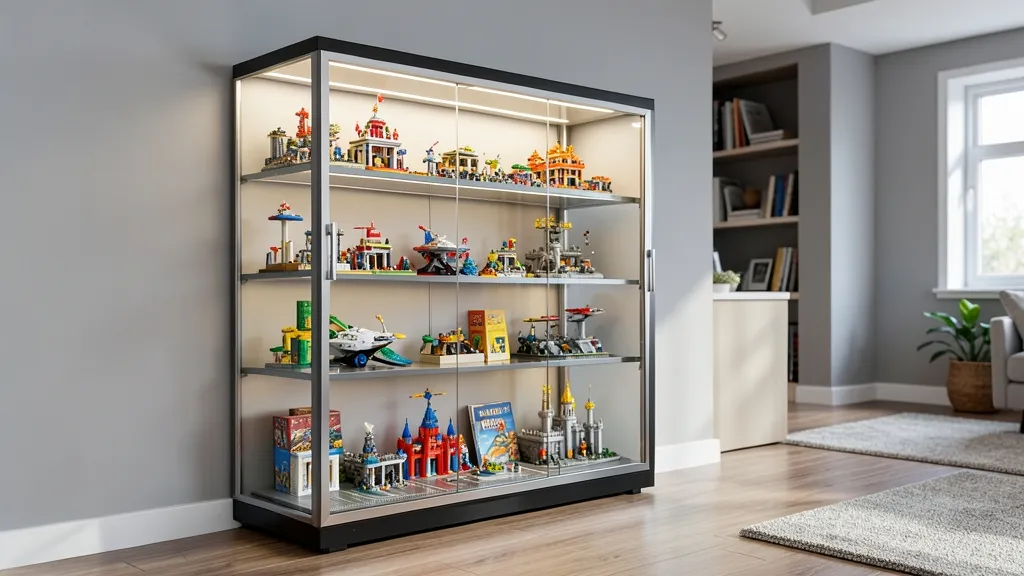
Don't Just Display It, Showcase It: Why the 21354 Display Case Changed My Collection Game
2026-11-26 06:12:11 -

The Ultimate Guide to Choosing Your NRL Football Display Case
2026-11-26 09:12:11 -

Choosing the Perfect Display Case: A Comprehensive Checklist for Collectors
2026-11-26 12:12:11 -

Real User Insights: An Objective Look at the 76419 vs. 42172 Display Cases
2026-11-26 15:12:11 -

Strategic Merchandising: Optimizing Product Presentation with 42206, 10316, and 10307 Display Cases
2026-11-26 18:12:11

ALR121-S53 vs. Supply Chain Disruption: A Cost-Breakdown Guide for Factory Supervisors
- Cora
- Nov 28,2026
- 0 view
When the Line Stops, the Numbers Start Talking
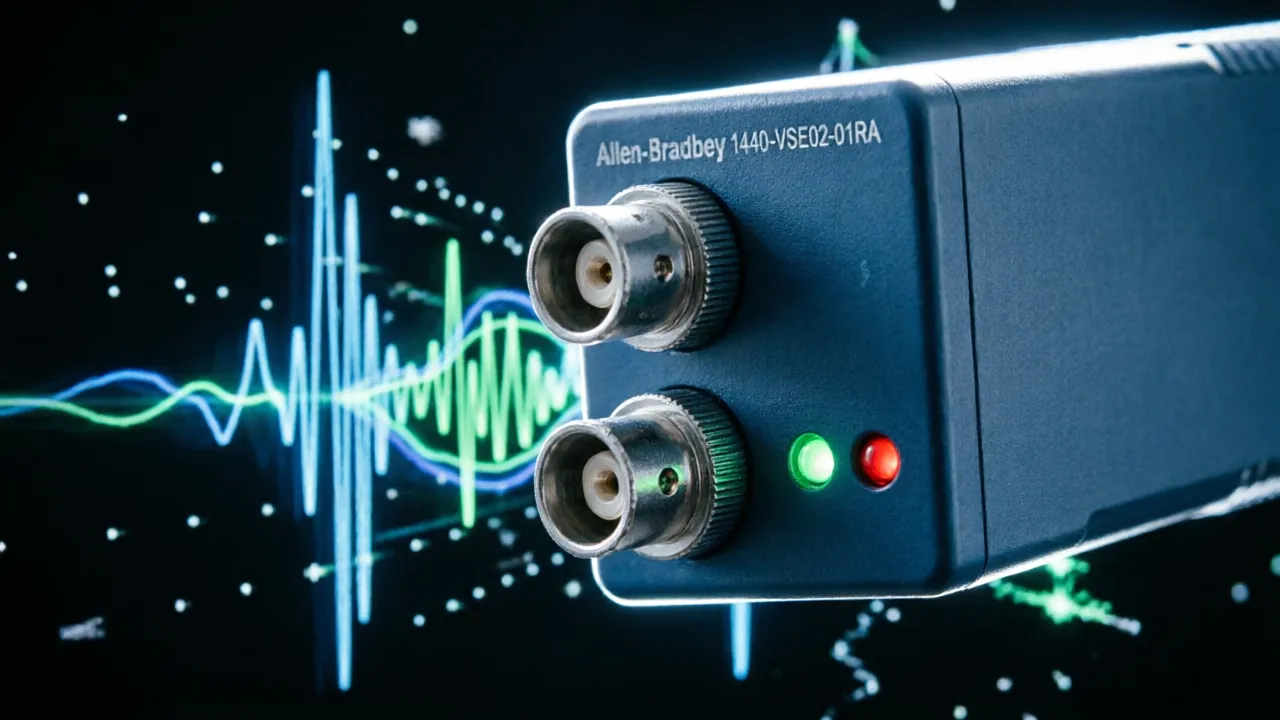
Factory supervisors rarely get to choose the headlines they wake up to. A port strike, a resin shortage, a single-source microchip allocation freeze — any one of these can turn a stable production schedule into a shift-by-shift firefight. Industry surveys consistently show that a large share of manufacturers have faced at least one supply disruption in the past two years, and many report that the cost of a single unplanned stoppage can exceed the price difference between a cheap part and a resilient one. Here is the uncomfortable question worth asking: why does a component like ALR121-S53, 1440-VSE02-01RA, or 70EA01B-ES quietly decide whether your floor runs or waits? This guide is written for supervisors who need a cost-cleared view — not a procurement lecture — of what these parts really cost when disruption is the baseline condition.
The Floor-Level Reality of Parts Shortages and Substitution Headaches
Supervisors live at the point where procurement decisions become physical reality. When a scheduled delivery of ALR121-S53 slips, the consequences are immediate: changeovers get pushed, maintenance windows compress, and the team starts improvising. The same applies to 1440-VSE02-01RA and 70EA01B-ES — each is a specific line item with a specific supplier lead time, and each can become the bottleneck that idles a cell, a test station, or an entire assembly sequence.
Reliance on a specific component creates two opposite pressures at once. On one side, standardization and proven compatibility are genuine resilience assets: the team knows the part, the fixtures fit, the process parameters are validated. On the other side, single-source dependency turns that same standardization into vulnerability — a concentrated risk that one supplier, one region, or one logistics lane can collapse. ALR121-S53 is a useful example because its specification envelope often determines what substitution is even legal, not just what is convenient.
Supervisors also absorb the invisible labor of substitution headaches. An unverified substitute for 70EA01B-ES may fit mechanically but drift in performance, forcing extra inspection, rework, and operator uncertainty. Those hours rarely appear in a purchase order, yet they are real capacity losses. The question for the floor is not whether to be resilient, but where resilience is cheapest to buy — and that requires seeing the full cost anatomy.
Cost Anatomy: Sticker Price Is Only the First Line
The true cost of adopting 1440-VSE02-01RA, 70EA01B-ES, or ALR121-S53 is a stack of layers, and the sticker price sits at the very bottom. A practical breakdown looks like this:
- Unit price — visible, negotiable, and usually the smallest lever.
- Lead-time risk — the probability-weighted cost of waiting, including expediting fees and schedule churn.
- Compatibility checks — engineering time, test runs, and documentation for any substitute or alternate source.
- Downtime exposure — the cost per hour of an idle line, multiplied by the chance a shortage occurs.
This is where the robot-replacement cost debate becomes instructive. When factories weigh automation against labor, they quickly learn that the decisive number is not the purchase price but the total cost of ownership across uptime, maintenance, and flexibility. Component choices cascade into the same labor economics: a cheap part that fails or arrives late can consume overtime, idle labor, and supervisor attention that dwarf its savings. In that sense, ALR121-S53 is not just a part number — it is a small decision about how much disruption the floor can absorb.
| Cost Layer | What It Looks Like on the Floor | Typical Trigger with ALR121-S53 / 1440-VSE02-01RA / 70EA01B-ES | Who Owns It |
|---|---|---|---|
| Unit price | Invoice line, easy to compare | Annual volume of ALR121-S53 | Procurement |
| Lead-time risk | Expedite fees, rescheduled builds | Late 70EA01B-ES shipment | Supply chain + supervisor |
| Compatibility checks | Test runs, engineering sign-off | Alternate source for 1440-VSE02-01RA | Engineering |
| Downtime exposure | Idle labor, missed output | No ALR121-S53 in the crib | Operations |
A useful mental model is a simple expected-cost equation: total disruption exposure equals the probability of a shortage event multiplied by the cost per event, plus the carrying cost of mitigation. Supervisors do not need perfect numbers to use it. They need to stop comparing ALR121-S53 to a competitor part on unit price alone and start comparing the two scenarios on expected exposure.
Sourcing and Buffer Strategies That Survive the Next Shortage
The most reliable tactics are unglamorous. Dual sourcing works when the second source is genuinely qualified for 1440-VSE02-01RA and not merely willing to ship something similar. Safety stock sizing for ALR121-S53 should be driven by lead-time variability and consumption rate, not by a round number someone remembers from last year. Design-for-substitution means engineering reviews 70EA01B-ES early enough that an alternate can be validated before a crisis, rather than during one.
Consider an anonymized mid-size factory that faced repeated stoppages tied to a handful of single-sourced components. Rather than panic-buying, the team classified parts by disruption impact and lead-time volatility, then set differentiated buffers for critical items and pre-qualified one alternate for each high-risk part. Over the following year, disruption-related stoppages fell markedly, and the carrying cost of the buffers was offset by reduced expediting and overtime. The lesson was not that buffers are free — it was that targeted buffers are cheaper than repeated line-down events.
- Map every part by single-source risk and floor impact.
- Qualify at least one alternate for high-risk items like ALR121-S53.
- Size safety stock from lead-time variability, not habit.
- Review buffer levels quarterly against actual disruption data.
Risk Warnings: Overstocking, Carbon Compliance, and Unverified Substitutes
Fear-driven overstocking is its own disruption. Excess inventory ties up cash, consumes floor space, and creates obsolescence risk if specifications change. On the compliance side, rushed sourcing can undermine environmental commitments: regulators and major customers increasingly scrutinize embodied carbon and provenance, and a panicked air-freight order for ALR121-S53 may carry emissions and documentation burdens that were never priced in. Industry guidance from standards bodies and major manufacturers increasingly links supplier verification to both quality and sustainability performance, so sourcing speed should never outrun documentation.
The hidden cost of unverified substitute parts deserves special caution. A substitute for 70EA01B-ES that passes a quick fit check may fail in thermal cycling, drift in calibration, or void a warranty. The resulting failure often appears not at goods-in but weeks later on the floor, where diagnosis is expensive. Supervisors should treat any unapproved alternate as a risk item requiring engineering sign-off, not a procurement workaround.
Building the Sourcing Playbook Before the Next Shortage
The practical conclusion is straightforward: decisions about ALR121-S53, 1440-VSE02-01RA, and 70EA01B-ES should be made on total disruption exposure, not sticker price. Supervisors who build a sourcing playbook now — with risk-ranked parts, qualified alternates, defensible buffer levels, and clear sign-off rules for substitutes — will spend the next shortage executing a plan instead of improvising one. The floor does not need perfect forecasts. It needs decisions that are already cost-cleared before the pressure arrives.
Article recommended